Browse air duct maintenance
Browse air duct maintenance
Blog Article
Air Ventilation Cleaning: Breathe Easier Using These Essential Tips
Air duct maintenance plays an important role in maintaining a healthy indoor environment. It helps eliminate dust, allergens, and pollutants that can impact air quality. Identifying when ducts need attention is crucial for peak HVAC performance. Homeowners often overlook the tools and techniques needed for effective cleaning. Learning about these aspects can greatly impact comfort levels and energy efficiency. What steps should one take to ensure cleaner air and a more efficient system?
How Air Duct Cleaning Promotes Your Physical Health
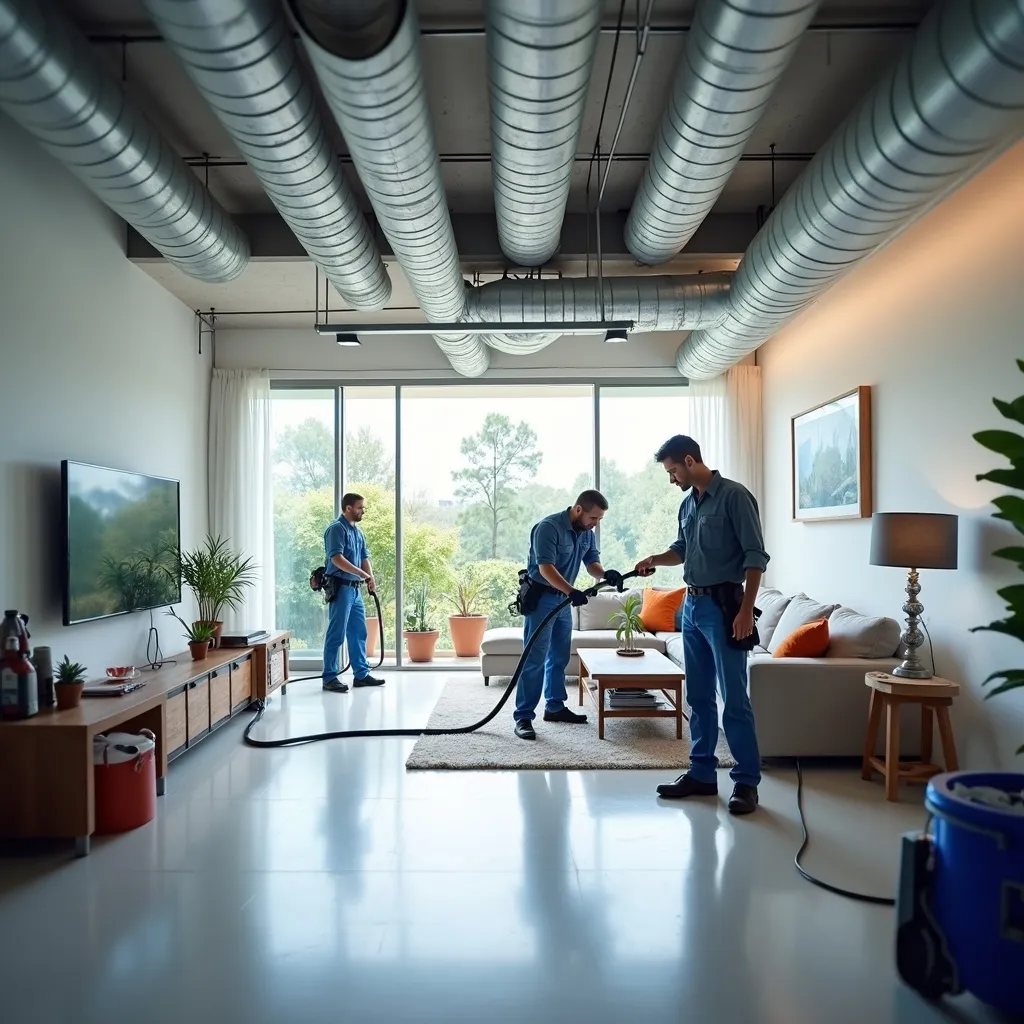
Air duct cleaning greatly enhances indoor air quality, leading to improved health for occupants. Over time, dust, allergens, and pollutants accumulate within the ductwork, circulating through the air. This accumulation can worsen breathing difficulties, allergic reactions, and various health concerns. By removing these contaminants, air duct cleaning reduces the likelihood of airborne diseases and promotes a healthier living environment.
Additionally, clean air ducts can boost the effectiveness of heating and cooling systems, causing more even temperatures and diminished energy consumption. This not only aids in overall well-being but also reduces exposure to harmful substances that can be released when systems are neglectfully maintained.
Routine upkeep of air ducts ensures that fresh, clean air flows throughout the home, promoting better sleep, elevated energy levels, and overall wellness. Ultimately, maintaining clean air ducts is a essential step in safeguarding the health of all occupants.
Warning Signs Your Ducts Require Cleaning?
Regular maintenance of air ducts is essential for sustaining a clean living environment. Homeowners should be attentive for several indicators indicating that duct cleaning is needed.
One key indicator is noticeable dust or debris near vents or the air filter, suggesting accumulated dirt within the ducts. Additionally, if occupants experience increased allergy symptoms, such as sneezing or congestion, it may suggest that pollutants are circulating in the air.
Unpleasant scents issuing from vents may also suggest fungal growth or stagnant debris. Moreover, if the HVAC system is performing inefficiently, demanding frequent repairs or resulting in inconsistent temperatures, dirty ducts could be the culprit.
Ultimately, a bump in power costs may expose a jammed unit failing to push air effectively. Observing these clues can help secure frequent cleaning and support top-tier indoor air quality.
Do-It-Yourself Air Duct Maintenance Tools You Need
Sustaining immaculate air ducts necessitates the right equipment to ensure effective DIY cleaning. Essential tools for this process include a vacuum apparatus supplied with a HEPA filter, which collects minute particles and allergens.
A collection of bristled tools, specifically designed for cleaning ducts, helps remove dust and debris from the duct walls. Additionally, a flashlight is essential for inspecting dark areas in the duct system, guaranteeing thorough cleaning.
Safety equipment, such as hand protection and a dust mask, is important to maintain protection while dealing with dust and potential contaminants. A screwdriver set is also essential for detaching vent covers and access panels.
Finally, a wet rag can be employed to clean vent surfaces after cleaning. Together, these tools form a comprehensive kit for anyone seeking to address air duct cleaning effectively and safely.
Collect Required Tools
Assembling the proper tools is vital for an productive air duct cleaning process. A premium vacuum cleaner with a HEPA filter is crucial for ridding dust and allergens.
A set of brushes, featuring a long-handled duct brush, helps removing debris from the duct walls. Flexible duct cleaning rods can extend reach and enable access to hard-to-reach areas. Furthermore, having a flashlight allows for thorough inspection of the ducts' interiors.
Protective gear, including gloves and masks, guarantees safety during cleaning. Finally, a step ladder may be necessary for accessing higher vents.
Set Up Your Space
A well-prepared space is vital for an productive air duct cleaning process. First, the area around vents should be cleared of items and obstructions to facilitate easy access. This helps avert any injury to belongings and ensures a detailed cleaning.
Next, homeowners should cover supply vents with plastic sheeting to trap dust and debris during the process. It is also advisable to turn off the HVAC system to avoid spreading contaminants.
Finally, placing a vacuum with a HEPA filter in the area can assist in capturing any particles dislodged during cleaning. By following these approaches, individuals create an ideal environment that supports effective air duct cleaning and maximizes overall results.
Purify Ducts Thoroughly
Before diving into the air duct cleaning procedure, it's crucial for property owners to comprehend the systematic method that guarantees effectiveness and thoroughness.
At the start, you should procure essential tools, comprising a vacuum, brushes, and microfiber cloths. Afterward, switch off the HVAC system to guarantee safety.
Next, take off the vent covers and wash them with warm soapy water. Using a vacuum cleaner, cautiously remove dust and debris from the ducts. For more thorough cleaning, employ duct brushes to dislodge stubborn particles.
After scrubbing, put the vent covers back in place and swap the air filter. Finally, turn the HVAC system back on and listen for any unusual sounds.
Finding a Trusted Air Duct Care Service
How can one ensure that they select a trustworthy air duct cleaning service? First, it is crucial to examine potential providers carefully. Verifying for accreditations, such as those from the National Air Duct Cleaners Association (NADCA), guarantees clients of adherence to industry standards.
Next, gathering multiple quotes enables a assessment of services and rates. A dependable company will execute a thorough inspection before presenting an quote, sidestepping any misleading low-cost offers.
Also, question the cleaning methods and equipment used; a credible service will utilize sophisticated tools and techniques.
Finally, confirm the company possesses appropriate protection and is licensed, shielding clients from likely damages.
Ways to preserve clean Air Ducts Throughout the Year
Keeping air ducts clean throughout the year is vital for guaranteeing indoor air quality and efficient system operation. Routine checks are crucial; property owners should check ducts for dust and debris buildup every few months.
Employing high-efficiency air filters will greatly lower contaminants, because these filters catch smaller contaminants that conventional filters may miss. It is recommended to change these filters at least every three months or according to manufacturer recommendations.
Moreover, reducing indoor pollutant levels can help with preserving duct cleanliness. This encompasses limiting activities generating dust, such as smoking or using specific candles, and ensuring appropriate ventilation when using cleaning products.
Regular maintenance of the home, including vacuuming and wiping, helps reduce the amount of dust that could get into the ducts. Finally, arranging a professional cleaning every few years can further guarantee that air ducts remain free from dangerous accumulation, promoting a healthier living environment.
Air Duct Cleaning Services: Pricing vs. Rewards
Assessing the monetary considerations of air duct cleaning delivers crucial understanding for homeowners. The upfront expense generally falls from $300 to $1,000, contingent upon factors like the size of the home and the sophistication of the duct system.
While this may appear significant, the possible advantages often exceed the costs. Air ducts that are cleaned can enhance indoor air quality, decreasing allergens and irritants. This may result in fewer respiratory issues and lower healthcare costs find guide over time.
Additionally, a clean air ducts can strengthen HVAC output, potentially decreasing energy bills by 10-30%. Homeowners should also evaluate the longevity of their HVAC systems.
Regular cleaning can stretch the lifespan of the machinery, reducing the demand for early replacements. Ultimately, considering the starting expenses in contrast with sustained health gains and energy savings can support homeowners render informed decisions regarding air duct cleaning.
Common Inquiries Asked Often
How Regularly Do I Need to Inspect My Air Ducts?
Specialists recommend cleaning air ducts every 3 to 5 years. However, circumstances such as pets, allergies, or recent renovations may demand more frequent cleanings. Regular upkeep ensures enhanced air quality and peak efficiency for maximum performance.
Can I Clean My Ducts Without Professional Help?
While you can tackle duct cleaning without expert assistance, DIY methods may not achieve thorough results. Proper tools and techniques are essential for quality duct cleaning, making professional assistance often a more reliable choice for improved air quality.
What Perils Come from Filthy Air Ducts?
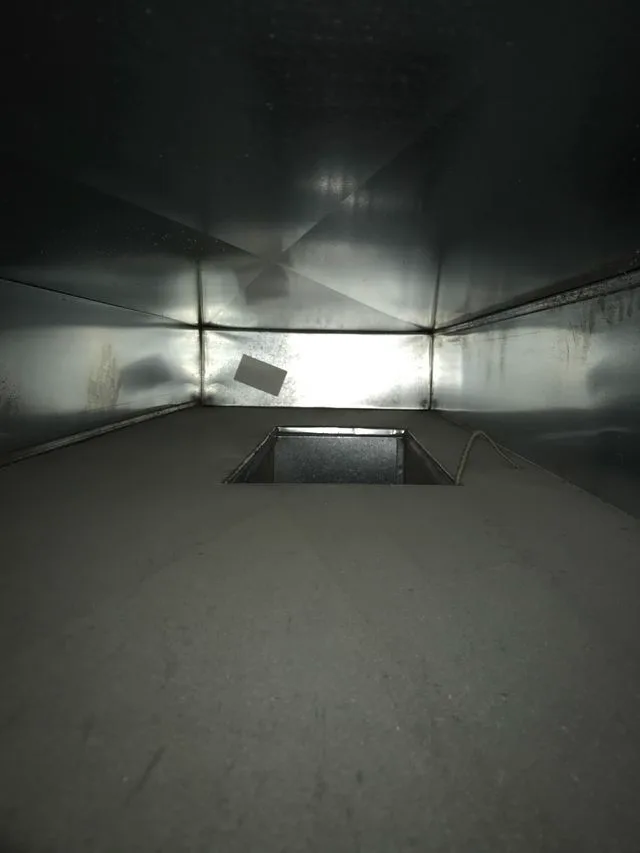
Contaminated air ducts may result in inadequate indoor air quality, increasing allergens and pollutants. This can trigger respiratory issues, allergies, and overall discomfort. Additionally, built-up particles can impede HVAC efficiency, increasing energy costs.
Do HVAC Cleaning Services Provide Warranties?
Many ductwork maintenance services do provide guarantees, affirming customer satisfaction. These pledges often cover the quality of work performed, providing reassurance that the service will comply with specific standards and resolve any issues that manifest subsequent to cleaning.
Is Air Duct Cleaning a Valuable Investment?
Investing in duct system cleaning can be worthwhile, as it improves indoor air quality, enhances HVAC performance, and potentially prolong system longevity. Homeowners often note noticeable benefits, making it a practical choice for many.
Report this page